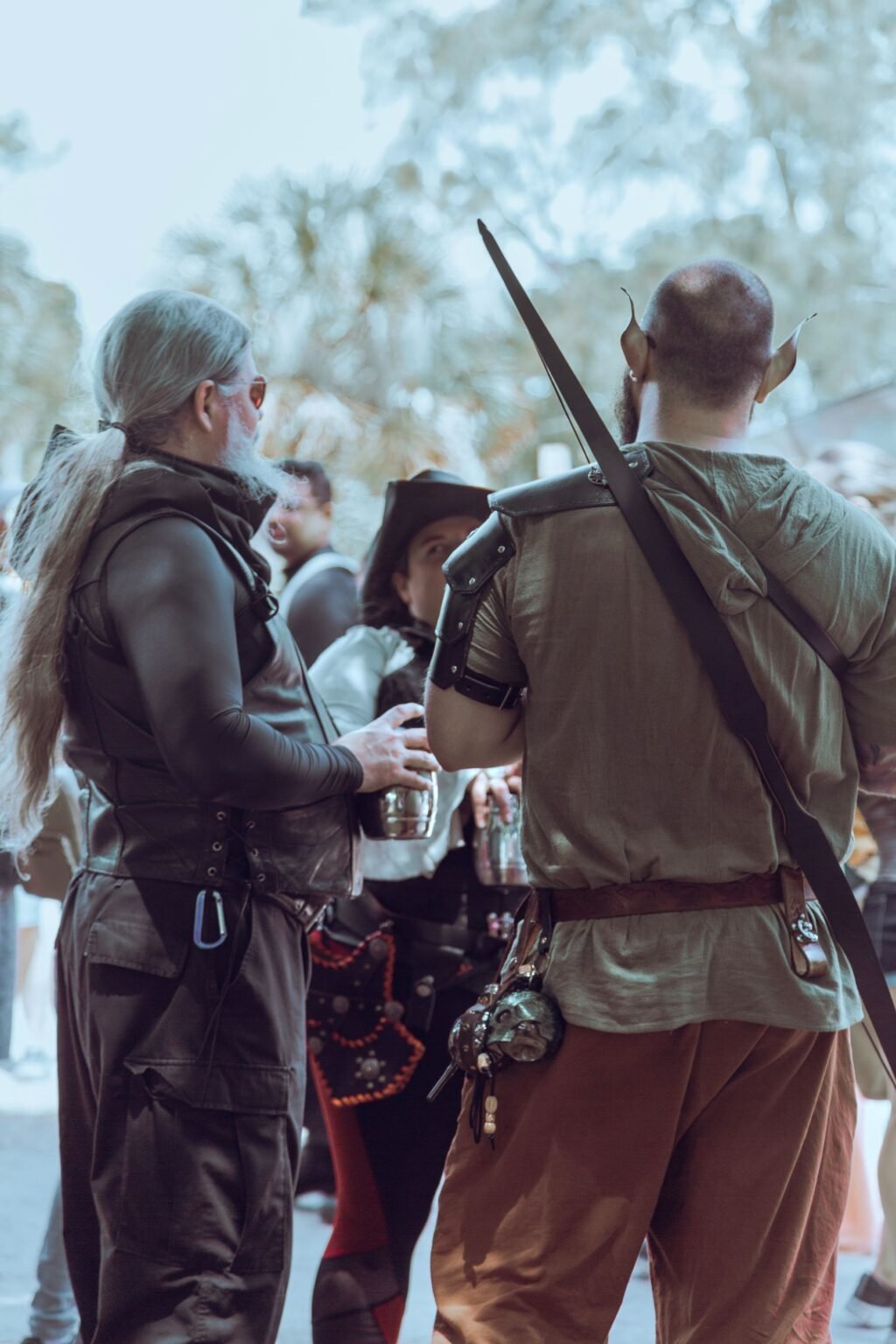
LARP stands for live action roleplay. Instead of sitting round a table and describing what your character does, you dress as them, walk around as them, and do it for real, alongside other players and a crew who play the monsters, villagers, and villains. So, what is LARP, and is it for you? This guide explains it in plain English, with a UK focus.
I remember my very first LARP session; I was truly overwhelmed and nervous about everything going on. I did not understand everything being explained to me, and combat seemed hectic, and I had no idea what to do. But I soon realised that other players and referees are great at explaining things and walking you through what is going on. You just have to be brave and ask for help.
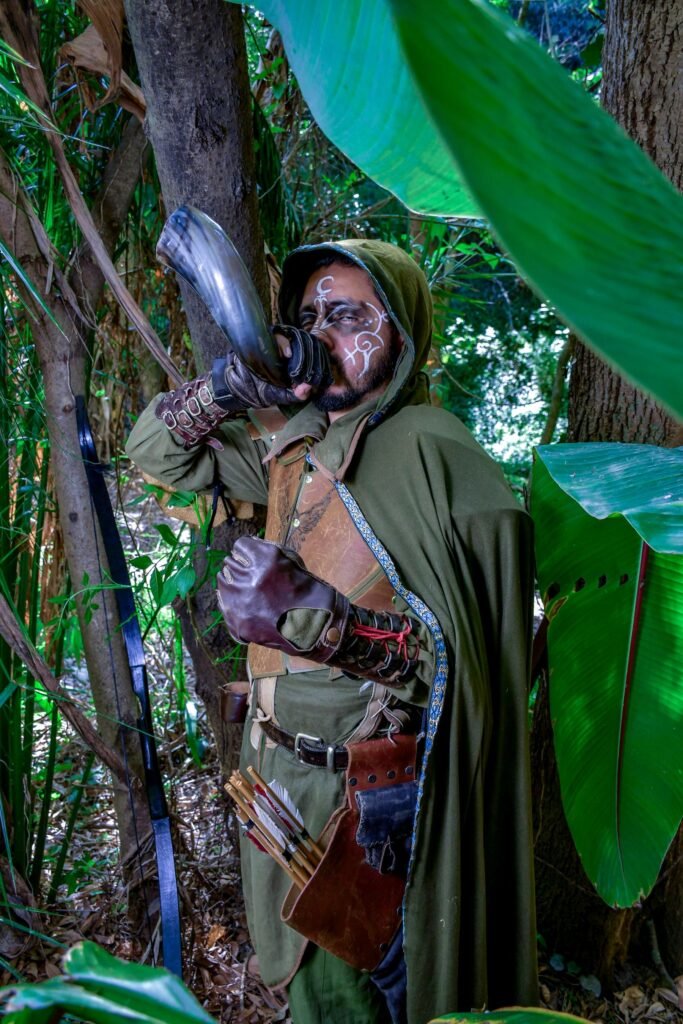
In this guide
What is LARP, in one paragraph?
The short answer to “what is LARP?” is this: a LARP is a game with a story and a set of rules, played in costume over an afternoon, a day or a whole weekend. You create a character, the organisers create the world and the plot, and everyone plays it out together in a field, a wood, a scout camp, a castle or even a cave. Fights use specially made safe weapons, magic is represented by spoken calls and props, and the story changes depending on what the players choose to do.
The main kinds of LARP in the UK
UK LARP comes in a few broad styles. Most games mix them a little, but these labels will help you read a game’s website.
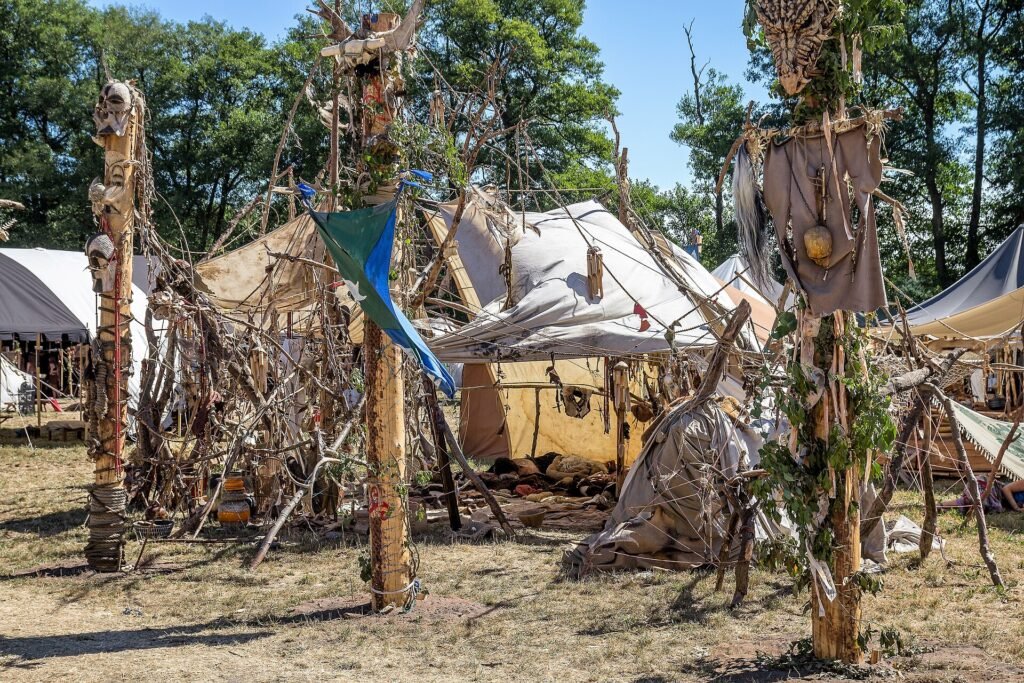
- Fest games: big camping events, often with a thousand or more players. You join a nation or faction, and the game is about politics, trade, rituals and large battles. Empire, Lorien Trust and Curious Pastimes are the best known.
- Weekend games: smaller clubs running a story over a weekend, often at a scout camp or woodland site. Your group goes out on adventures the crew has written for you.
- Day games: a single afternoon or day, sometimes called linear games, because your party follows a trail of encounters. They are the cheapest and easiest way to try LARP.
- One-off and drama-led games: a single story played once, with set characters and less fighting. Some UK groups run these as separate bookable runs.
You can browse all of these in the UK LARP systems directory.
How the fighting works
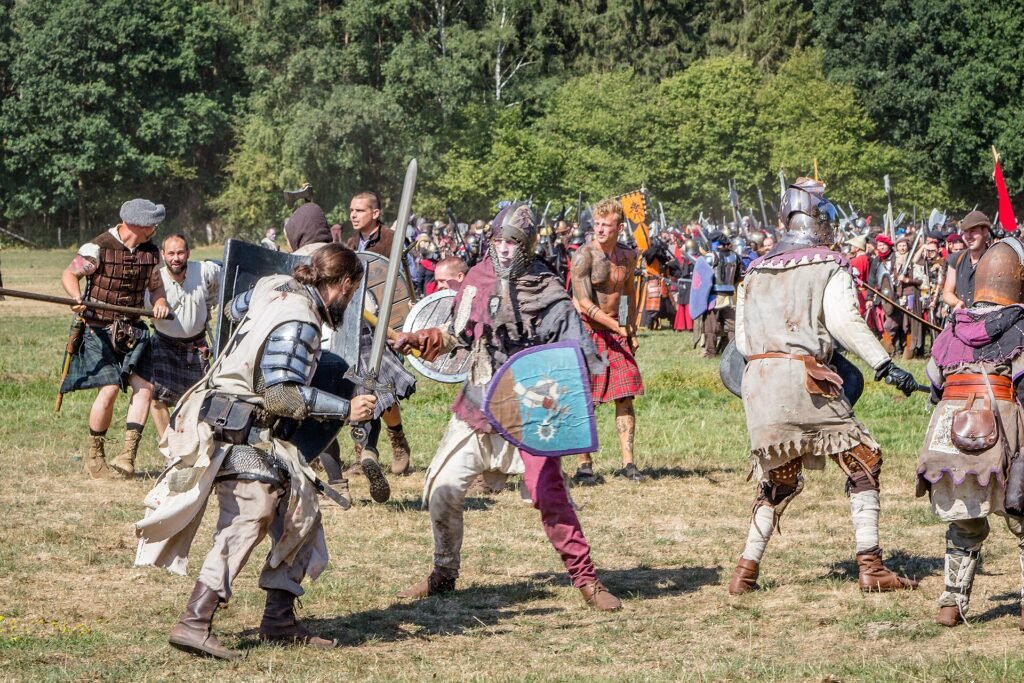
Combat in UK LARP uses foam or latex weapons with a soft core. You swing with control and pull your blows, so a hit is a light tap, never a whack. Most games ban hits to the head and groin, and every weapon is checked for safety before the event starts.
Instead of counting real injuries, the rules give each character a number of hits. Special attacks and spells are shouted as short calls, and the person hit acts out the effect. Every game also has a safety call that stops play immediately if someone is hurt, so learn your game’s version before you go.
I will always remember my very first combat; it was me and three other players against five enemies. I had two goblins attack me at the same time, and I panicked. Luckily the other players were quick to come to my aid to help me.

In character and out of character
People say IC (in character) when they mean the game world and OOC (out of character) when they mean real life. During “time in” you stay in character, and anything you say or do counts in the game. Tents, toilets and car parks are usually OOC, and organisers mark any other off-game areas.
You don’t need to be a good actor. Most players start by being a slightly braver version of themselves and grow into the role.
Playing or crewing
You can go to most games as a player character (PC) or as crew, sometimes called monstering. Crew plays the monsters, villagers, and villains the players meet. It is usually cheaper or free, costumes are often provided, and it is a brilliant way to learn the rules and meet people. Heroquest has a good explanation of what monstering involves.
It is important for all players to crew at times; it really helps you understand all aspects of a good LARP. It may not appear to be as much fun, but it can be what you make of it.

Who is LARP for?
LARP is for anyone who likes stories, the outdoors and dressing up. UK players range from students to grandparents, and several big systems are family-friendly. You need a reasonable level of fitness for weekends in a field, but plenty of characters are healers, scholars, merchants or priests who rarely fight. If you play tabletop roleplaying games or love fantasy novels and films, you’ll feel at home quickly.
How to try it
Now you know the answer to what is LARP, the easiest way to start is a day game or a small weekend club near you, either as a new player or as crew. Read the game’s new player page, ask what kit they can lend, and book. Our guide to your first LARP event walks you through the rest.
If one of my friends was unsure about trying LARP, I would always encourage them to give it a try. Maybe crew a few games before playing a character, but they should have a go and not be put off or scared of trying.